
How to Track Personal Expenses Without Excel in 2026 | Health is Wealth
How to Track Personal Expenses
Without Excel — And Actually Stop Leaking Money
Your salary hits. Your account empties. You have no idea where it went. And Excel is not going to fix that.
How to Track Personal Expenses Without Excel (in 5 Steps)
- Write every expense immediately — use a pocket notebook or journal, not memory.
- Use the 3-bucket method — Needs, Wants, Waste. No complex categories needed.
- Do a 5-minute daily review — before bed, total the day and spot the bleed.
- Do a weekly pattern check — find your 1–2 biggest waste areas and cut them.
- Track your net worth monthly — savings, investments, and debt. The number that matters.
The Money Problem No One Talks About Honestly
You earn a decent salary. Maybe ₹40,000. Maybe ₹90,000. Maybe more. Yet every month — around the 20th — a quiet panic sets in. Where did it all go?
You open your bank statement. Swiggy, Zomato, Amazon, some random subscription, an EMI you forgot about, a "small" online purchase that somehow cost ₹3,200. And that's before the weekend. According to RBI data on household savings patterns, India's personal savings rate has declined sharply over the last decade — not because salaries fell, but because spending became invisible.
That is the real crisis. Not low income. Invisible spending.
Excel doesn't solve this. You open it once, build a beautiful spreadsheet, and abandon it by day four. Apps are worse — you ignore the notifications, forget to log, and eventually delete them. The problem isn't the tool. It's the system. And you've never had one.
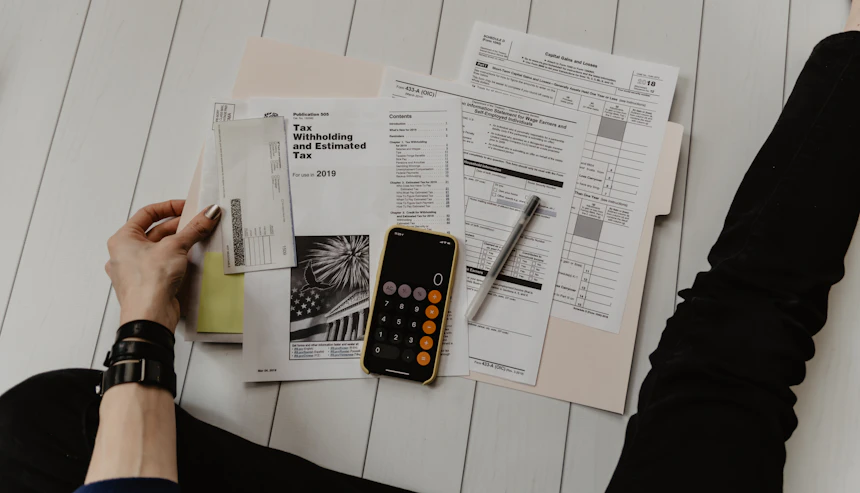
Tracking expenses manually creates awareness that no app can replicate — the act of writing changes behaviour.
The ₹ Reality Breakdown: Where Does ₹60,000 Actually Go?
Let's be brutally honest. Here is what a typical ₹60,000/month salary looks like before and after awareness-based tracking. Global behavioural finance studies consistently show that awareness alone — without any budgeting — reduces discretionary spending by 15–25%.
| Category | Typical (Untracked) | After Tracking (30 Days) | Monthly Saving |
|---|---|---|---|
| Rent / EMI | ₹18,000 | ₹18,000 | — |
| Groceries & Household | ₹8,500 | ₹7,200 | + ₹1,300 |
| Food Delivery (Swiggy/Zomato) | ₹4,800 | ₹2,400 | + ₹2,400 |
| Subscriptions (OTT, apps, SaaS) | ₹2,600 | ₹1,100 | + ₹1,500 |
| Transport (Ola/Uber + Fuel) | ₹4,200 | ₹3,200 | + ₹1,000 |
| Shopping (Impulse + Online) | ₹6,500 | ₹3,200 | + ₹3,300 |
| Eating Out / Social | ₹3,800 | ₹2,800 | + ₹1,000 |
| Forgotten / Miscellaneous | ₹4,200 | ₹800 | + ₹3,400 |
| Total Savings (Investment) | ₹7,400 | ₹21,300 | +₹13,900/mo |
That's ₹1.67 lakh more saved per year — not by earning more, but by simply knowing where money goes. That "forgotten/miscellaneous" category is your biggest enemy. Most people have no idea what's in it. Once you track it, it nearly disappears.
"The biggest financial insight isn't 'spend less'. It's 'see clearly'. Visibility changes behaviour automatically."
Why Your Brain Is Wired to Overspend — And How Tracking Rewires It
Indian consumer spending has been shaped by three forces in 2026: UPI's one-tap frictionlessness, infinite-scroll shopping apps that make purchases feel like scrolling, and a culture where "treating yourself" is now a daily expectation, not a monthly occasion.
Neuroscience explains what happens: digital payments eliminate the physical "pain of paying" — the discomfort you feel parting with cash. Studies from behavioural economists including Dan Ariely show that people spend up to 83% more when paying digitally versus cash, because the brain doesn't register it as a loss in the moment.
Why tracking daily expenses matters in India is more than a financial question — it's a psychological one. When you write an expense down, you reintroduce the "pain of paying." Your brain creates a record. It starts connecting spending to consequences. And slowly — within 7 to 10 days — your automatic decision-making changes.
This is why Excel fails. Updating a spreadsheet once a week is historical record-keeping. Writing an expense in real time is a behavioural intervention. There is a massive difference.

Writing expenses by hand reintroduces the friction of spending that digital payments remove — changing decisions before they happen.
The Practical System: How to Track Personal Expenses Without Excel
You don't need a complex system. You need a consistent one. Here is the exact method that works for salaried employees tracking daily expenses without apps or spreadsheets.
The Morning Intent (2 Minutes)
Every morning, write today's available cash and your planned top 3 expenses. This primes your brain to track. Don't budget — just intend. A simple "Today I plan to spend on: groceries, lunch, fuel" is enough. You're planting a tracking seed.
The Real-Time Log (Throughout the Day)
Write every expense the moment it happens — or within the hour. Amount, what, where. No category yet. This is just capture. Three words per entry is fine: "₹240 · Swiggy dinner." The act of writing is what matters, not the format. This is the most powerful step. Most people skip it. Don't.
The 3-Bucket Sort (5 Minutes at Night)
Before bed, look at each expense and label it N (Need), W (Want), or X (Waste). Needs are non-negotiables — rent, food, medicine. Wants are conscious choices you'd make again. Waste is what makes you wince. Total each bucket. The Waste number is your weekly target to shrink. This is how you build the habit of tracking spending without overwhelm.
The Weekly Pattern Review (10 Minutes on Sunday)
Add up 7 days of buckets. Find your top 2 waste categories — for most people it's food delivery and impulse shopping. Pick ONE to reduce by 50% next week. Not eliminate. Reduce. This daily tracking to saving money loop is what creates real financial change.
The Monthly Net Worth Snapshot (15 Minutes)
Once a month, write three numbers: Total Assets (savings + investments + anything with value), Total Liabilities (loans, credit card outstanding, EMIs remaining), and Net Worth (Assets minus Liabilities). Watch this number move. A growing net worth is the only metric that proves your system is working.
🔖 This system works even better with a pre-structured daily tracker — one that has all 5 steps built in, prompts included, for 100 days straight.
See the Journal →Your Daily 11-Minute Expense Tracking Routine
Consistency beats complexity. Here's what the habit of tracking expenses daily looks like in practice — time-blocked so you can actually do it.
| Time of Day | Action | Time | What You're Building |
|---|---|---|---|
| Morning (tea/coffee) | Write today's intent + opening cash/budget | 2 min | Spending awareness |
| Lunch break | Log morning expenses from memory/UPI | 2 min | Capture habit |
| Evening (commute) | Log afternoon expenses | 2 min | Real-time tracking |
| Night (before sleep) | 3-bucket sort + daily total | 5 min | Pattern recognition |
11 minutes a day. That's it. If you track for just 21 days straight, research on habit formation shows the behaviour becomes automatic — you'll notice you start thinking twice before unnecessary purchases, even before you write them down.

A physical tracker on your desk creates an environmental cue — one of the most powerful tools for building any habit.
Why Your Health and Your Wealth Are the Same Problem
Here's a truth that most financial guides ignore: financial stress is India's #1 driver of lifestyle disease. According to global health studies, chronic money anxiety raises cortisol, disrupts sleep, degrades decision-making — and ironically, poor health decisions (junk food, skipping workouts, stress-eating) also create more financial drain.
Consider this cycle: you're stressed about money → you eat ₹400 Zomato orders instead of cooking → you're too tired to exercise → your energy drops → your productivity suffers → your career growth stalls → you earn less than your potential → you're more stressed about money.
This loop is real. Breaking it requires addressing both sides simultaneously. When you track expenses, you reduce financial anxiety. Reduced anxiety improves sleep. Better sleep improves discipline. Better discipline means better food choices, consistent workouts, and higher output at work. The tracking habit doesn't just save money — it is a health intervention.
The compounding effect: People who track their spending report 34% lower financial stress, sleep an average of 47 more minutes per night, and are 2.3x more likely to exercise consistently — because financial clarity removes the biggest mental load that blocks healthy behaviour.
Wealth Projection: What Tracking + Saving ₹10,000/Month Does in 10 Years
This isn't motivational theatre. This is compound interest on the money you already earn but currently leak. Here's what redirecting ₹10,000/month (the minimum recoverable amount from awareness-based tracking on a ₹50,000+ salary) does when invested in an index fund averaging 12% annual returns (India's Nifty 50 historical average).
| Year | Total Invested | Portfolio Value | Wealth Created |
|---|---|---|---|
| Year 1 | ₹1,20,000 | ₹1,27,600 | +₹7,600 |
| Year 3 | ₹3,60,000 | ₹4,32,700 | +₹72,700 |
| Year 5 | ₹6,00,000 | ₹8,16,700 | +₹2,16,700 |
| Year 10 | ₹12,00,000 | ₹22,93,000 | +₹10,93,000 |
₹10.93 lakh in wealth created from money you were previously losing to Zomato, forgotten subscriptions, and impulse buys. No salary increase. No side hustle. Just awareness and a system. This is what converting daily tracking into monthly wealth building actually looks like in numbers.

Compounding is not magic. It's patience applied to a consistent saving habit that starts with knowing where your money goes.
The System That Makes This Automatic for 100 Days
You now have the method. The question is: will you build and maintain it yourself from scratch, or will you use a system already designed to do it for you?
Most people who try to track expenses on a blank notebook quit within 10 days — not from lack of motivation, but from lack of structure. There's no prompt for the morning intent. No pre-built buckets. No space for the weekly review. No health tracker alongside the wealth tracker. You're essentially building the plane while flying it.
The Health is Wealth Journal was built to solve exactly this. It is a 100-day system — not a notebook, not a planner — a daily transformation framework that holds both your health and wealth data in a single place, with every prompt pre-written, every section pre-structured, so you can focus on the inputs, not the design.
Health is Wealth Journal
A 100-day health and wealth transformation system for Indian professionals who are done with vague intentions and ready for structured daily action.
- 100 days of pre-structured daily expense tracking pages
- Morning intent prompts + 3-bucket daily sorter
- Weekly pattern review sections with insights prompts
- Monthly net worth tracker — watch your number grow
- Daily health log: sleep, movement, meals, energy
- Quarterly wealth milestone pages — goal + progress
- Designed for Indian spending categories (UPI, EMI, subscriptions)
- Premium paper — fountain pen and ballpoint friendly
How the Journal Works — Day by Day
The Health is Wealth Journal isn't structured like a diary. It's structured like a system. Every daily page has four zones:
Morning Zone
Today's financial intent + one health goal. Takes 90 seconds. Sets the mental frame for the day. You enter the day as someone who is intentional about money and health — not reactive.
Expense Log Zone
Pre-lined rows for every transaction. Amount, description, and a single letter: N, W, or X. No categories to build, no spreadsheet to maintain. Just write and label.
Health Zone
Four data points: sleep hours, minutes of movement, primary meal quality (scale of 1–5), and energy level at end of day. Over 100 days, you'll see exactly which health habits correlate with your highest-output financial days.
Night Review Zone
Today's Needs total, Wants total, Waste total, and one line: "Tomorrow I will not spend on ___." This nightly reflection is the most powerful part of the system. It closes the loop and makes tomorrow better.

The journal's daily page structure — morning intent, expense log, health log, night review — creates a closed feedback loop for continuous improvement.
What Happens When You Actually Use the System
"I saved ₹14,000 in my first month — just from realising how much I was spending on subscriptions and food delivery I didn't even enjoy. The daily format made it impossible to forget."
"I've tried apps, Excel, everything. This is the first system I've stuck to for more than 3 weeks. The health section changed how I think about productivity — and my savings went up 22%."
"As a freelancer with irregular income, I always felt money tracking was impossible. The N/W/X system is the first thing that worked — I now know exactly what I need to earn each month."
Start Before You're Ready: The 3-Day Expense Clarity Sprint
You don't need the perfect system. You need to start. Try this for just 3 days — no tools required except a piece of paper.
Write every expense. No sorting. Just capture everything.
Label each as N, W, or X. Find your biggest Waste item.
Cut just that one waste item. Notice how easy it was.
After 3 days, you'll have more financial clarity than most people get in 3 months. Then decide if you want a structured 100-day system to scale it.
100 Days From Now, Your Finances Look
Completely Different — or Exactly the Same
The difference is whether you start a system today. Not next month. Not "when things settle down." Today. The Health is Wealth Journal gives you 100 days of structure so the only thing you have to do is show up and write.
Get the 100-Day Journal — ₹1,249Frequently Asked Questions
Use the daily notebook method: write every expense as it happens, categorise them into Needs, Wants, and Waste at night, and review weekly. A pre-structured journal with these sections built in makes this even more sustainable. No app or spreadsheet needed — in fact, physical tracking works better for most people because it reintroduces the psychological "pain of paying."
The 3-bucket method is the simplest: Needs (rent, groceries, medicine, EMIs), Wants (dining, OTT, shopping you planned), Waste (impulse, forgotten subscriptions, anything you regret). Log in real time using a small notebook or your journal, and sort at night. Five minutes per day is enough to get 80% of the benefit.
Attach the tracking habit to an existing anchor — your morning chai, your lunch break, or your bedtime routine. Keep your tracker visible on your desk (not in an app). Start with 3 days, not 30. The goal is to build the chain, not to be perfect. Consistency at a low level beats perfection once a week.
Daily tracking is significantly more effective. Monthly reviews tell you what happened. Daily tracking changes what's about to happen. When you know you'll write an expense down tonight, you pause before making it — that pause is worth thousands of rupees per year. Monthly reviews are still valuable for pattern analysis, but they work best when built on a daily foundation.
Research on spending awareness consistently shows a 15–25% reduction in discretionary spending just from tracking — with no explicit budgeting. For someone earning ₹60,000/month, that's ₹9,000–₹15,000 saved per month, or ₹1.08–₹1.8 lakh per year. Invested over 10 years at a modest 12% return, that becomes ₹18–₹35 lakh in wealth — from money you were already earning.
Absolutely — and many people find paper tracking more effective. Apps require you to remember to open them, and notifications are easy to ignore. A physical journal sits on your desk as a visual cue, requires no battery, and the act of writing by hand engages different neural pathways that reinforce memory and decision-making. Many consistent trackers specifically prefer paper for this reason.
Especially if your salary is low. The lower your income, the more critical it is to eliminate every rupee of waste. Tracking on a tight income reveals exactly where breathing room exists — and it almost always exists, even when it doesn't feel like it. People on ₹25,000/month have found ₹3,000–₹5,000 in recoverable waste through systematic tracking. That's 12–20% more money working for you.